Manual and Motorized Sluice Valves for Easy Open and Close Operation
Water control is one of the most important parts of any water supply, irrigation, wastewater, or industrial system. Whether it is a municipal water network, a treatment plant, a pumping station, or an industrial facility, reliable flow control equipment is essential for smooth operation. Among the various flow control solutions available today, sluice valves remain one of the most trusted and widely used options.Both Manual Sluice Valves and Motorized Sluice Valves are designed to control the flow of water by opening and closing a gate inside the valve body. While both perform the same basic function, they are operated differently and offer unique advantages depending on the application.At Cair, we manufacture high-quality manual and motorized sluice valves that help customers achieve reliable water flow control, long service life, and efficient system operation.
What Is a Sluice Valve?
A sluice valve is a type of valve used to stop or allow the flow of water through a pipeline. The valve operates using a gate that moves up and down inside the valve body.When the gate is fully raised, water flows freely through the pipeline. When the gate is lowered, the flow is completely stopped. This simple operating principle makes sluice valves highly effective for isolation applications.Because of their durability and reliability, sluice valves are widely used in:
- Municipal water supply systems
- Irrigation projects
- Water treatment plants
- Wastewater systems
- Industrial facilities
- Pumping stations
- Infrastructure projects
Understanding Manual Sluice Valves
Manual sluice valves are operated by hand using a handwheel or gearbox. The operator turns the handwheel to raise or lower the gate inside the valve.These valves are known for their simplicity and reliability. They do not require electricity, making them suitable for locations where power supply may not be available.
Benefits of Manual Sluice Valves
Simple Operation
Manual valves are easy to understand and operate. The handwheel mechanism allows smooth opening and closing of the valve.
Cost-Effective Solution
Because they do not require electric actuators or control systems, manual sluice valves are generally more economical.
Low Maintenance
The simple mechanical design helps reduce maintenance requirements.
Reliable Performance
Manual valves provide dependable operation even in demanding environments.
Suitable for Remote Locations
They can be installed in areas where electrical infrastructure is not available.
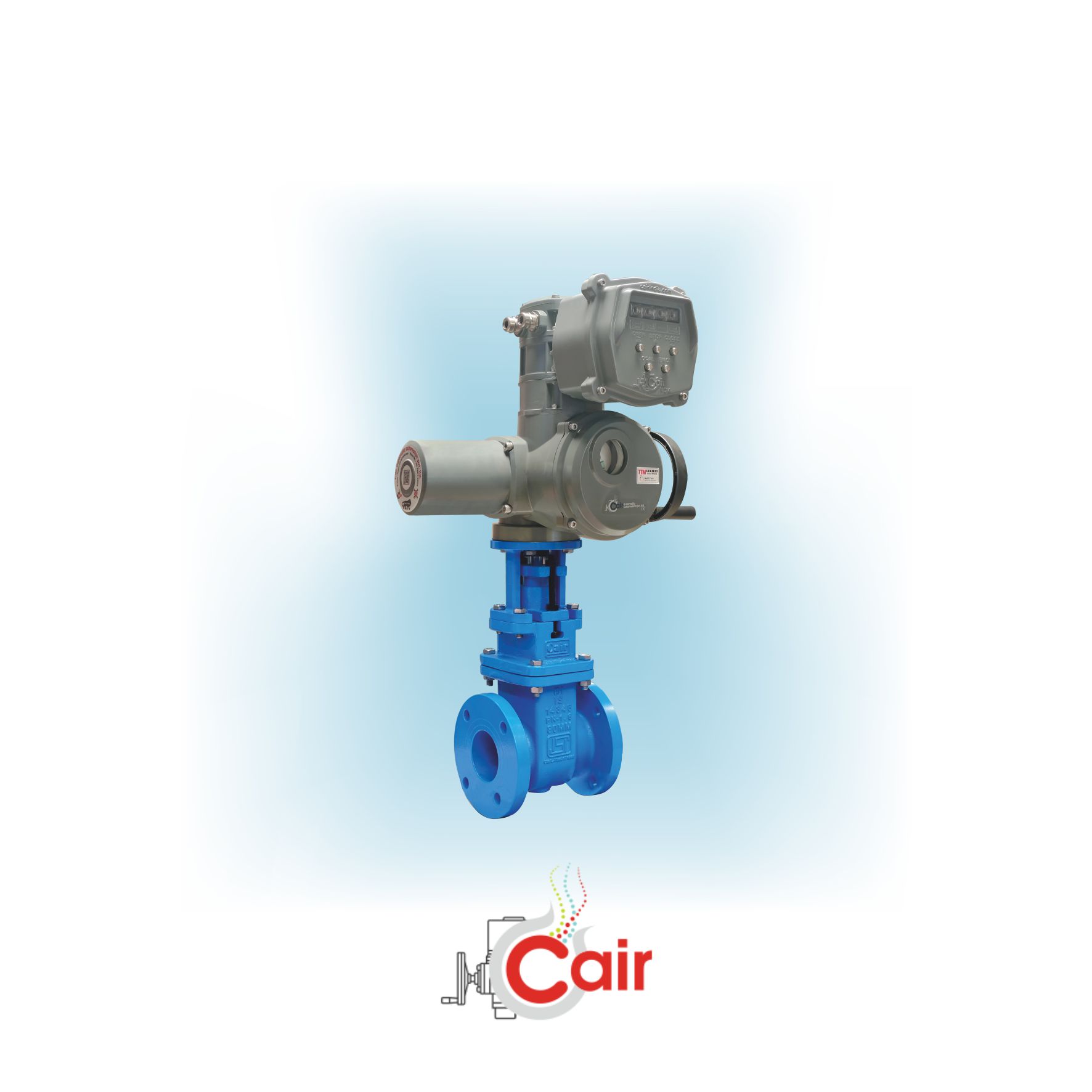
Understanding Motorized Sluice Valves
Motorized sluice valves use an electric actuator instead of manual operation. The actuator automatically opens and closes the valve when a control signal is received.These valves are becoming increasingly popular as industries and municipalities move toward automation and smart infrastructure.
Benefits of Motorized Sluice Valves
Fast Operation
The electric actuator allows quick opening and closing of the valve.
Reduced Manual Labor
Operators do not need to physically operate the valve.
Remote Control Capability
The valve can be controlled from a control room or centralized system.
Improved Efficiency
Automation helps improve overall system performance.
Better Safety
Remote operation reduces the need for personnel to access difficult or hazardous locations.
Manual vs Motorized Sluice Valves
Choosing between manual and motorized sluice valves depends on the project requirements.
Manual Sluice Valves Are Best When:
- Budget is a primary concern
- Power supply is unavailable
- Simple operation is preferred
- Automation is not required
Motorized Sluice Valves Are Best When:
- Fast operation is needed
- Remote control is required
- Automation systems are being used
- Labor costs need to be reduced
- Large water systems require centralized control
Both valve types provide reliable shut-off performance and effective water flow control.
Importance of Easy Open and Close Operation
One of the most important features of any sluice valve is smooth operation.Valves that are difficult to operate can create delays, increase maintenance costs, and reduce overall efficiency.Cair designs both manual and motorized sluice valves to ensure easy and reliable opening and closing.Benefits include:
- Faster response
- Improved operational efficiency
- Reduced operator effort
- Better system control
- Lower maintenance requirements
Easy operation helps improve the overall performance of water management systems.
Applications of Manual and Motorized Sluice Valves
Municipal Water Supply Systems
Water distribution networks require dependable valves for flow control and maintenance activities.
Irrigation Projects
Farmers and irrigation authorities use sluice valves to regulate water distribution efficiently.
Water Treatment Plants
Valves help control water movement through different treatment stages.
Wastewater Treatment Facilities
Reliable valve operation is essential for wastewater management processes.
Pumping Stations
Sluice valves assist in controlling water flow between pumps and pipelines.
Industrial Applications
Factories and processing facilities use sluice valves to manage water and fluid movement.
Features of Cair Manual and Motorized Sluice Valves
At Cair, we focus on manufacturing products that deliver long-term value and dependable performance.
Durable Construction
Our valves are manufactured using high-quality materials designed for demanding applications.
Reliable Sealing
Strong sealing systems help prevent leakage and improve efficiency.
Corrosion Resistance
Protective coatings extend valve life and improve performance in harsh environments.
Smooth Operation
Designed for easy opening and closing with minimal effort.
Long Service Life
Built to provide years of reliable performance.
Multiple Operating Options
Available in both manual and motorized configurations.
Custom Manufacturing
Products can be customized according to client requirements.
Advantages of Choosing a Motorized Sluice Valve Manufacturer
Working with an experienced manufacturer provides several benefits.A trusted manufacturer offers:
- Quality products
- Technical support
- Custom solutions
- Reliable delivery
- Consistent performance
Manufacturers with experience understand project requirements and can recommend the best solution for specific applications.
Why Customers Choose Cair
Cair has built a reputation for quality, reliability, and customer satisfaction.
In-House Manufacturing
Complete manufacturing control helps maintain consistent quality.
Quality Assurance
Every valve is tested before delivery.
Engineering Expertise
Our team provides technical support and application guidance.
Customer-Focused Solutions
We manufacture products according to project requirements.
Dependable Performance
Our valves are designed to perform reliably under demanding conditions.
Future of Water Management
Water management systems continue to evolve with the adoption of automation and smart infrastructure technologies.Motorized sluice valves are becoming increasingly important because they support:
- Automated operation
- Remote monitoring
- Improved efficiency
- Reduced labor costs
- Better resource management
At the same time, manual sluice valves continue to play an important role in applications where simplicity and cost-effectiveness are priorities.Both valve types will remain essential components of modern water infrastructure.
Conclusion
Manual and Motorized sluice valves are both valuable solutions for controlling water flow in a wide range of applications. While manual valves offer simplicity, reliability, and affordability, motorized valves provide automation, remote operation, and enhanced efficiency.The choice depends on the specific needs of the project, but both options can deliver excellent performance when manufactured to high-quality standards.Cair manufactures both manual and motorized sluice valves designed for smooth open and close operation, dependable sealing, and long service life. Whether your project requires a traditional manual solution or a modern automated system, our valves help ensure efficient water management and reliable long-term performance.
Frequently Asked Questions (FAQs)
1. What is the difference between a manual and motorized sluice valve?
A manual sluice valve is operated by a handwheel or gearbox, while a motorized sluice valve uses an electric actuator for automatic operation.
2. Which type of sluice valve is better?
Both are effective. The best choice depends on the application's operational and automation requirements.
3. Are motorized sluice valves suitable for automation?
Yes, motorized sluice valves can be integrated with automation and remote-control systems.
4. Do manual sluice valves require electricity?
No, manual sluice valves operate mechanically and do not require electrical power.
5. Where are sluice valves commonly used?
They are used in water supply systems, irrigation projects, treatment plants, pumping stations, and industrial facilities.
6. What are the benefits of motorized sluice valves?
Fast operation, remote control capability, reduced labor, and improved efficiency.
7. What are the benefits of manual sluice valves?
Simple operation, low maintenance, cost-effectiveness, and reliable performance.
8. Why choose Cair for sluice valves?
Cair offers quality manufacturing, durable products, technical expertise, customization options, and reliable customer support.